
Buying Guide
How to Choose Carpet That Still Looks Good in Year Eight
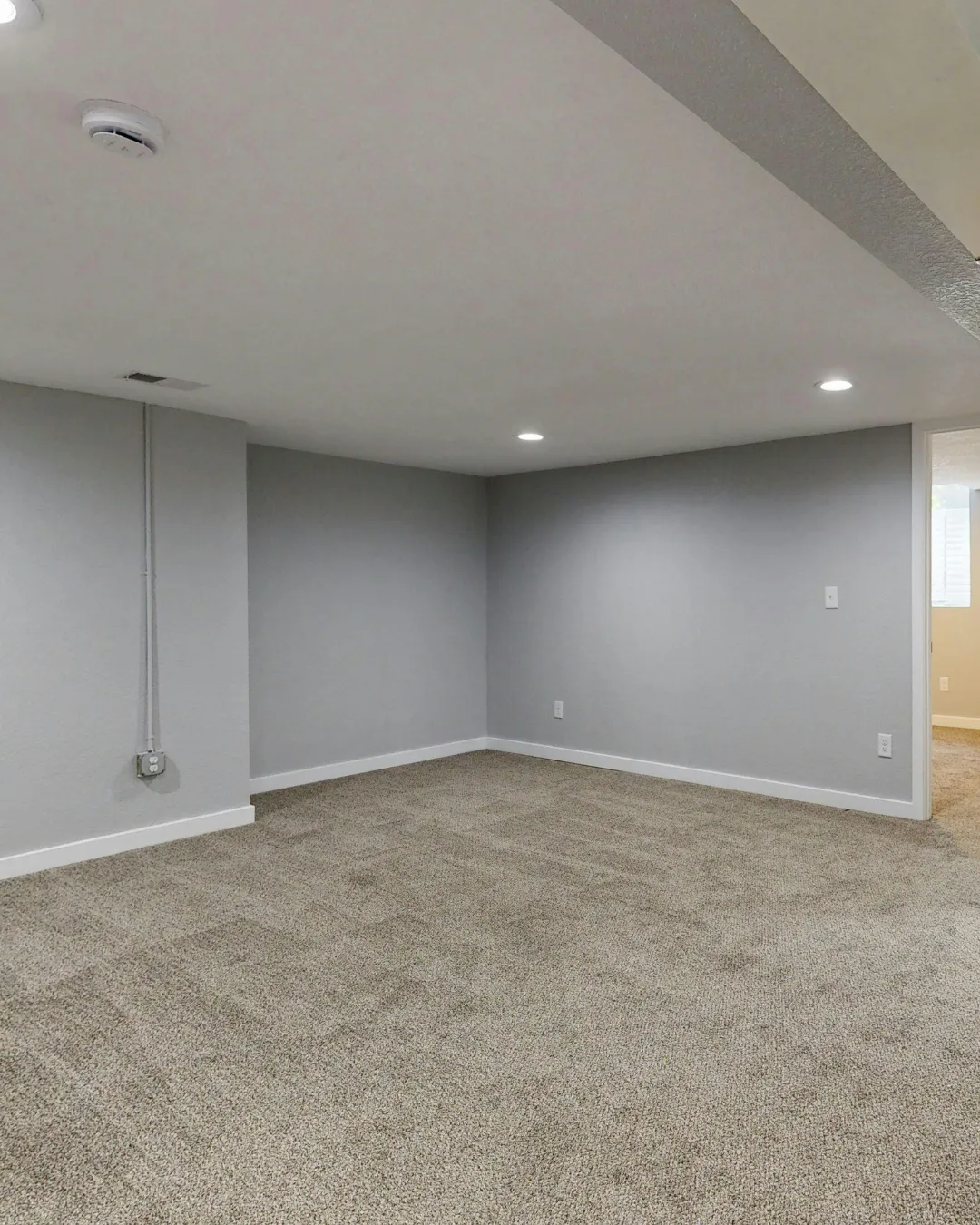
Everyone chooses carpet the same way. You walk the sample rack, run a hand across each one, and pick whichever feels best. It is a completely natural way to shop and it is close to useless, because the carpet that feels softest in a showroom is very often the one that mats down first in a hallway. Four things actually decide how a carpet wears, and none of them is how it feels under your palm.
Density is the number that matters most
Density means how much fiber is packed into a given area, and it is the best single predictor of how long a carpet keeps its look. A dense carpet has fibers close enough together to hold each other upright. A sparse one lets them lean, and once fibers lean they stay leaned — that worn track down your hallway is not wear-through, it is fibers that gave up standing.
There is a test you can do at the sample rack. Bend the sample backwards over your finger so the pile opens. If you can easily see the backing through the fibers, that is a low-density carpet and it will show traffic. If the pile stays closed and the backing is hard to find, it is dense. Three seconds, and it tells you more than the price tag does.
- ✓Bend the sample back over a finger — visible backing means low density.
- ✓Compare two samples the same way rather than judging one on its own.
- ✓Density earns its money in halls, stairs and family rooms, far less in bedrooms.
Twist, and why some carpet goes fuzzy
Each tuft of a cut-pile carpet is a bundle of fibers twisted together and heat-set so the twist holds. A tight twist keeps the tuft standing as a neat point. A loose twist opens under traffic and the tip splays into a small frizz, and once enough tips have splayed the carpet looks tired even though nothing has worn through.
This is the mechanism behind the most common complaint we hear about a carpet somebody else fitted: it is not stained and it is not flat, it just looks dull and fuzzy exactly where people walk. That is twist failing, and it cannot be repaired.
Look at the fiber tips on the sample. Crisp, defined points mean a tight twist. Tips that are already slightly splayed on a brand-new sample tell you what the hallway will look like.
Fiber, ranked honestly
Nylon is the most resilient carpet fiber made. It recovers from being crushed better than anything else, which is exactly what a busy central North Carolina household needs. It costs more, and in a hall or a family room it earns the difference.
Triexta, sold under names including Mohawk's SmartStrand, is the best of the three with spills and pets, because the stain resistance is built into the fiber rather than applied as a treatment that wears off. A little less resilient than nylon underfoot, considerably better in a house with animals — more on that in our guide to pet-friendly flooring for NC homes.
Polyester is soft, takes color beautifully, and is the least expensive of the three. It is also the least resilient, so it belongs in bedrooms rather than traffic lanes. Polyester in a hallway is the classic false economy.
The tier names on the sample boards move around and the marketing vocabulary changes every few years. Fiber type, density and twist do not. Our plain guide to Mohawk's ranges goes through how those names map onto specification.
Cut pile, loop, or both
Cut pile is what most people picture: the tufts are sheared open into a plush or a textured saxony. Comfortable, forgiving, and the safe choice in a house with cats, because there are no loops for a claw to catch.
Loop pile, Berber included, leaves the tufts closed. Extremely durable, and it hides traffic well, which makes it a strong choice for stairs and bonus rooms. Its weakness is a snagged loop, which can run across a room and cannot be fixed invisibly.
Cut-and-loop and patterned loop combine the two for texture. Pattern hides footprints and vacuum marks, which is genuinely useful in a formal room that gets seen more than it gets used.
The pad is not an accessory
Ask anybody who fits carpet for a living what the most under-appreciated part of the job is and you will get the same answer. The pad decides how the carpet feels underfoot, how quiet the room is, and — the part that surprises people — how long the carpet lasts, because it absorbs the impact that would otherwise be crushing fibers.
It is also the first line to get thinned when a quote is being sharpened, which is one reason two quotes for the same carpet can sit hundreds of dollars apart. A cheap pad under a good carpet gives you a floor that feels cheap and wears early.
Most residential carpet wants a pad around 7/16 inch at roughly 6 to 8 pound density. Thicker is not automatically better: a pad that is too soft lets the carpet flex at the seams, shortens its life and can void the manufacturer's warranty, which publishes a maximum as well as a minimum. On stairs, firmer is both safer and longer-wearing.
With pets in the house, specify a moisture-barrier pad. It stops an accident reaching the subfloor, and that is the difference between a cleanup and a smell that never really leaves.
Color, and what our light does to it
Carpet is chosen under retail lighting and lived with under yours, and those are not the same thing. A beige that reads warm and inviting in a showroom can read pink or yellow in a room with south-facing windows. Take a full-size sample home and look at it in the morning and again in the evening before committing.
Two practical notes. Very pale solids show every mark and very dark solids show lint and pet hair, so a mid-tone with subtle flecking hides ordinary life better than either extreme — which is why it is what we fit most.
Sunlight fades carpet over years, and central North Carolina gives a south-facing room plenty of it. Solution-dyed fibers, where color runs all the way through, hold up far better than fibers dyed on the surface.
Where it goes matters more than what it is
The most common mistake we see is one carpet specified for a whole house. Bedrooms and hallways do completely different jobs, and a carpet that suits one is either money wasted or money short in the other.
In practice: put the density and the resilient fiber where the traffic is, and let bedrooms take something softer and less expensive. That split normally saves money overall rather than costing it.
If part of the house is going hard-surface, the best flooring for North Carolina humidity covers how that choice interacts with the climate here, and carpet repair and re-stretching explains what can be rescued when an existing carpet is ripping rather than worn.
Ready To Plan Your Floors?
Get a free in-home or in-store consultation with our Angier team. We match the right product to every room and back it with a 100% satisfaction guarantee.
Get My Free Estimate