Comparison
Hardwood vs. Luxury Vinyl Plank for NC Humidity
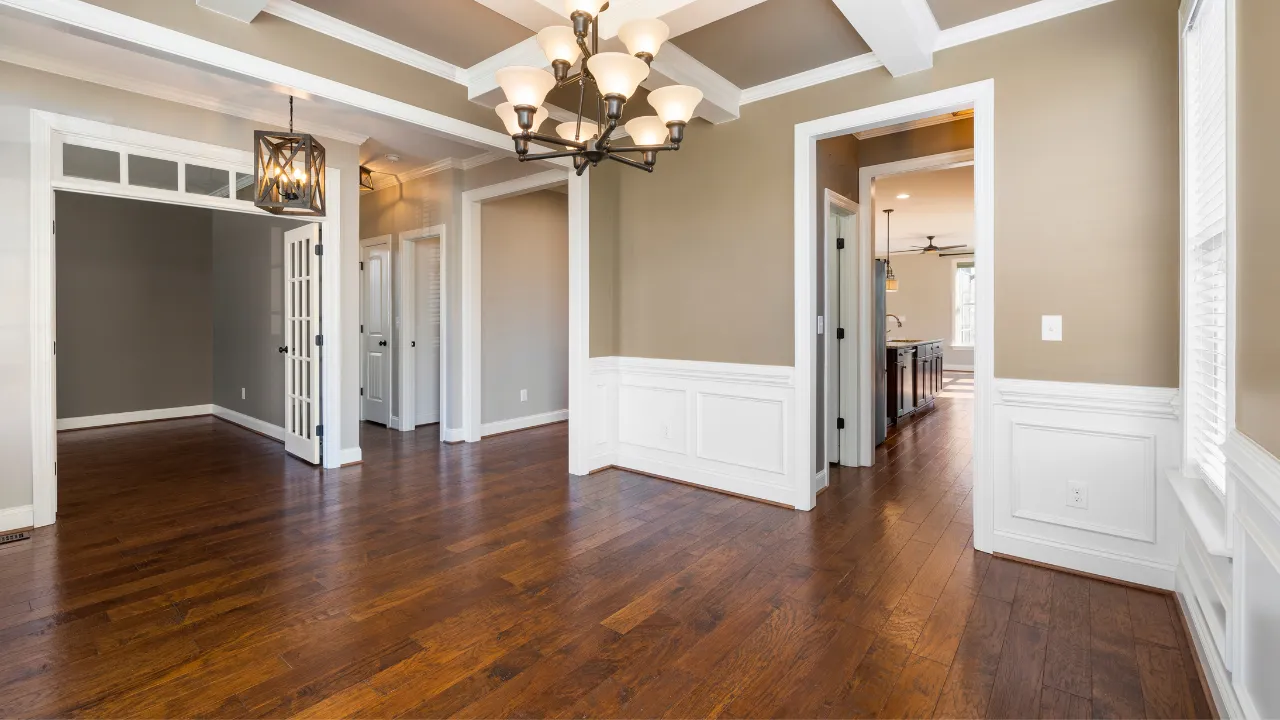
When central North Carolina homeowners weigh new floors, the choice often comes down to hardwood vs. luxury vinyl. Both deliver a warm, wood look that lifts a whole room, but they respond to moisture and humidity in very different ways — and in a climate with warm, damp summers, that difference matters. This comparison breaks down how each material performs, where each one shines, and how to decide which belongs in which room of your home.
How Humidity Affects Hardwood and Luxury Vinyl
Hardwood is a natural product, so it absorbs and releases moisture from the air. In humid North Carolina summers, that can mean seasonal movement — slight expansion and contraction — which is normal for wood but must be managed with proper acclimation, skilled installation, and indoor climate control.
Luxury vinyl plank is built from synthetic layers over a rigid or flexible core. Because it is largely plastic-based, quality LVP is water resistant, and many products are fully waterproof from the surface through the core. That construction makes it far less sensitive to humidity swings, standing water, and damp-prone rooms.
Hardwood: Beauty, Warmth, and Refinishing
Nothing quite matches genuine hardwood. It brings natural character and warmth, tends to add lasting value to a home, and, unlike most other floors, it can be sanded and refinished multiple times over decades — so a single floor can be renewed rather than replaced.
For humid conditions, engineered hardwood is worth a close look. It has the same real-wood surface but is built on a layered, cross-directional core that resists expansion and contraction far better than solid wood, making it a more stable choice for many central North Carolina homes.
Luxury Vinyl Plank: Waterproof and Low-Maintenance
Luxury vinyl plank has become one of the fastest-growing floors in the region, and for good reason. It delivers a realistic wood look with a tough wear layer that resists scratches and dents, and its waterproof performance makes it worry-free in kitchens, baths, laundry rooms, and basements.
LVP is also easy to live with. It needs no refinishing, cleans up with simple routine care, and often feels slightly warmer and quieter underfoot than tile or laminate. For busy households with kids and pets, that low-maintenance durability is a major draw.
Comparing the Two Room by Room
The smartest approach is often to match the material to the moisture level of each room rather than choosing one floor for the entire house. Reserve waterproof LVP for the wettest spaces and enjoy hardwood in drier, showcase areas.
- ✓Kitchens, baths, and laundry rooms: waterproof LVP is the safer pick for moisture.
- ✓Living rooms, dining rooms, and bedrooms: hardwood shines where humidity is easier to control.
- ✓Basements and below-grade spaces: LVP handles damp conditions better than solid wood.
- ✓Whole-home wood look on a budget: LVP delivers the style with less upkeep.
- ✓Long-term value and refinishing: hardwood can be renewed for decades.
Which Is Right for Your NC Home?
If waterproofing, easy maintenance, and moisture resistance are your priorities, luxury vinyl plank is usually the better fit — especially in kitchens, baths, and basements. If you want natural beauty, long-term value, and the ability to refinish, hardwood is hard to beat in drier living spaces.
You do not have to choose blind. A free in-home consultation lets you compare samples in your own light and rooms, and our team helps you match the right product to each space. When you are ready, start with a free estimate.
Ready To Plan Your Floors?
Get a free in-home or in-store consultation with our Angier team. We match the right product to every room and back it with a 100% satisfaction guarantee.
Get My Free Estimate