Buying Guide
Laminate Flooring in North Carolina: A Buying Guide (AC Ratings, Water Resistance and Where It Belongs)
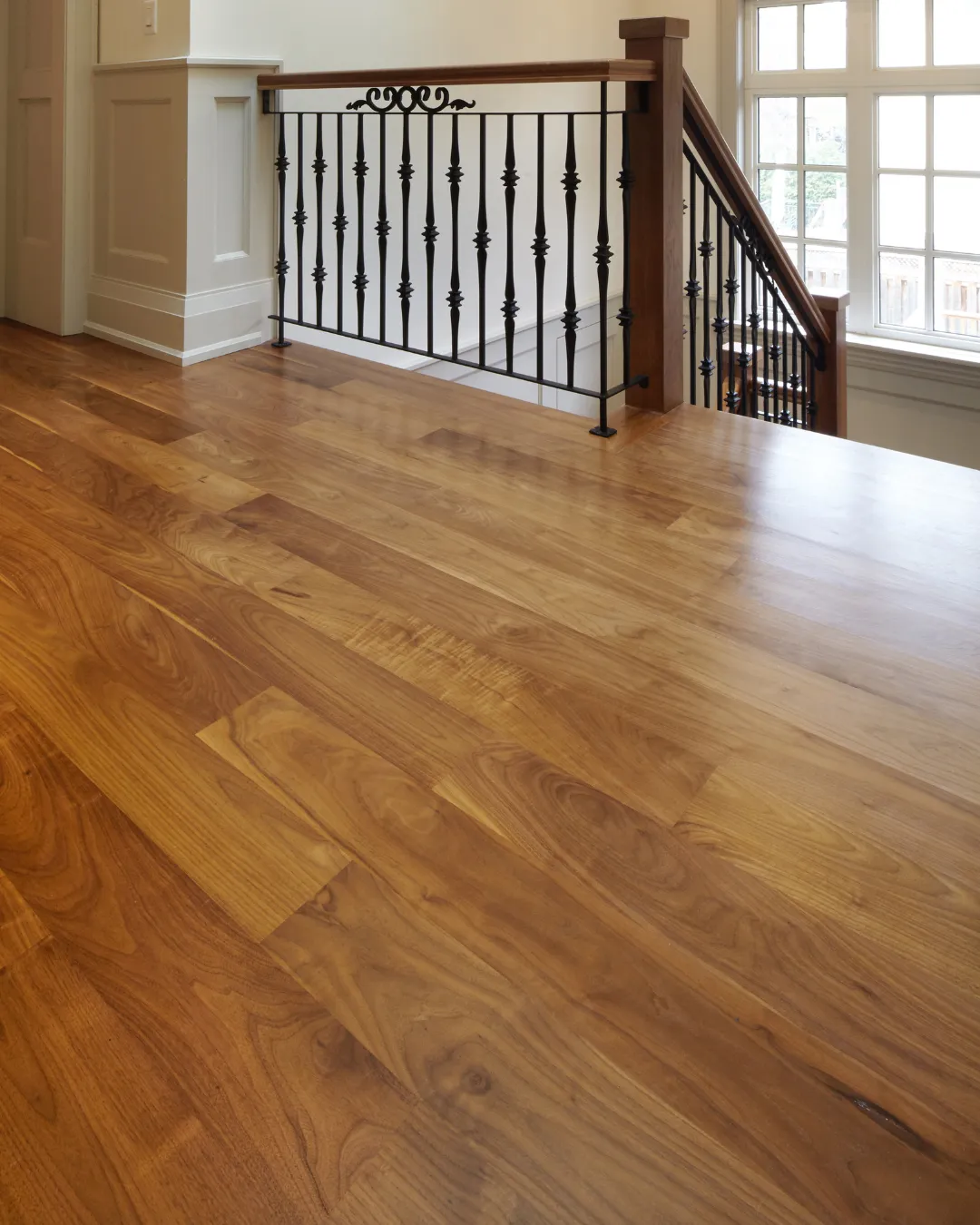
Most people's opinion of laminate was formed by a shiny, hollow-sounding floor from the early 2000s that swelled at every seam the first time a dishwasher leaked. That floor is not what is on our showroom shelves in Angier. Modern laminate from Shaw, Mohawk and Armstrong has a genuinely hard wear surface, deep embossing that follows the printed grain, and water-resistant constructions that did not exist a decade ago. It is one of the best-value floors we sell, and for living rooms, bedrooms and hallways it is often the right call where luxury vinyl gets recommended by reflex. This guide covers how to read a laminate specification, what water-resistant actually means, and which rooms in a Raleigh, Apex, Holly Springs or Lillington home it belongs in.
What laminate is, and why it wears so well
Laminate is a high-density fiberboard core with a printed decorative layer on top and a clear, extremely hard wear layer over that. The wear layer is a melamine resin cured under heat and pressure, and it is harder than the wear layer on any vinyl plank. That is the reason laminate resists scratches from chair legs, dog claws and dropped keys better than LVP does, and why it is the floor we point families towards for a hallway or a family room that takes real traffic.
The trade-off is the core. Fiberboard is wood, and wood swells when it gets wet. Everything about choosing laminate well comes down to putting that hard wear surface where it earns its keep and keeping the core away from standing water.
The AC rating is the number that matters
Laminate is graded on an Abrasion Class scale from AC1 to AC5, and it is the single most useful number on the box. AC1 and AC2 are light-duty and rarely sold anymore. AC3 is the residential standard and suits bedrooms and living rooms. AC4 is rated for heavy residential and light commercial use, and it is what we recommend for hallways, family rooms, kitchens and any home with children and pets. AC5 is commercial grade and is more than a house needs.
Two boards can look identical and be an AC3 and an AC4. In a Holly Springs or Apex house with a busy front door, that difference is the difference between a floor that looks new at year ten and one that has a dull track down the hallway at year four.
- ✓AC3: bedrooms, formal living rooms, home offices.
- ✓AC4: hallways, family rooms, kitchens, anywhere with kids or dogs. Our default recommendation.
- ✓AC5: commercial floors. Rarely worth the extra cost at home.
Water-resistant, and what it does not mean
The biggest change in laminate in the last decade is water resistance. Products like Mohawk's RevWood and the water-resistant collections from Shaw and Armstrong use a treated core and sealed edges that let the floor shrug off spills, a wet dog and everyday mopping. Some carry a manufacturer warranty against surface water for a set number of hours.
What it does not mean is waterproof. A water-resistant laminate will handle a spill that is wiped up. It will not handle a dishwasher line that leaks behind a cabinet for a week, a laundry room flood, or standing water at an exterior door. In those rooms the honest recommendation is still luxury vinyl plank or tile, and we would rather say so than sell a laminate into a laundry room.
In practice that makes a water-resistant laminate a genuine kitchen option in a house that wants the laminate look and feel through the main floor, provided the laundry, bathrooms and mudroom take something waterproof.
Thickness, embossing and the click
Plank thickness runs from about 7mm to 12mm. Thicker boards are quieter, feel more solid underfoot and are more forgiving of a subfloor that is not perfectly flat. For a whole main floor, 10mm or 12mm is worth the small step up.
Embossed-in-register means the texture you feel follows the grain you see, so the plank reads as wood from a standing height and not just in a photograph. It is the difference between a laminate that looks like laminate and one that guests assume is hardwood.
The locking system matters for how the floor goes together and stays together. A good click joint holds tight seams through humidity changes; a cheap one opens up. This is a place where the brand does tell you something, which is why we carry the ranges we carry and not the cheapest board available.
Laminate against LVP, honestly
Laminate has the harder wear surface and usually the more convincing look for the money. LVP handles water and is quieter and warmer underfoot. Laminate wins in living rooms, bedrooms, hallways and home offices. LVP wins in kitchens, bathrooms, laundries and entries. Running both through one house, with a planned transition at a doorway, is common and sensible. We went through the full comparison in LVP vs laminate for North Carolina homes.
Against hardwood, laminate is a fraction of the cost, more scratch-resistant and cannot be refinished. For a house being prepared for sale, or a family in the years when the floor takes the most abuse, that trade is often the right one.
Installation in a humid climate
Laminate floats over an underlayment rather than being glued or nailed down, and a floating floor moves with the seasons. Central North Carolina swings from a humid August to a dry, heated January, and the floor expands and contracts with it. The planks acclimate in the room for several days before installation, and a real expansion gap is left around the whole perimeter, hidden under the base and quarter round. A floor installed tight to the walls in winter will peak and buckle by summer.
The subfloor has to be flat. Laminate bridges small dips and drums against the void underneath, which is where the hollow sound comes from. Flattening the subfloor is part of the job, not an extra, and it is why our installers inspect it before the quote is written rather than on install day. Subfloor repair covers what we sometimes find.
What it costs, and how to keep it there
Laminate is among the least expensive hard floors we install per square foot, and the spread between an AC3 and an AC4 board is smaller than most people expect. Where jobs go over budget is subfloor preparation that was never in the quote, and moldings and transitions that were never counted. Ask for an itemized quote that lists both. Our guide to flooring installation cost in central NC explains what an honest quote contains.
APW carries laminate from Shaw, Mohawk and Armstrong at our Angier showroom, and we bring samples to your home for a free consultation. Installation is by our own background-checked, trained professionals, backed by a 100% product and labor satisfaction guarantee, and 0% financing (same as cash) is available on whole-home laminate. See our laminate flooring page, or book a free estimate.
Ready To Plan Your Floors?
Get a free in-home or in-store consultation with our Angier team. We match the right product to every room and back it with a 100% satisfaction guarantee.
Get My Free Estimate