
Buying Guide
Kid-Proof Flooring for North Carolina Families: What Actually Survives Children
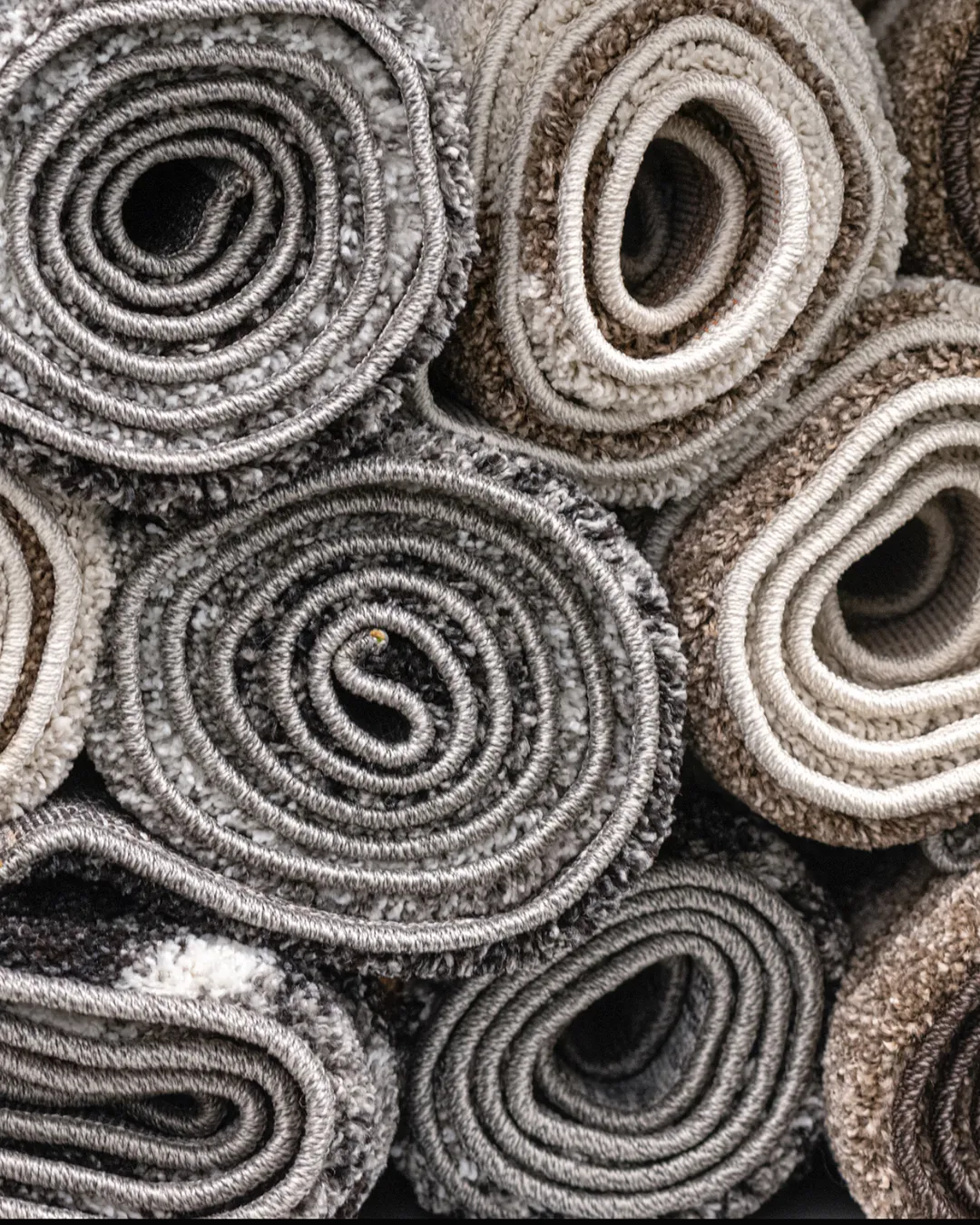
A house with children asks something different of its floors than a house without them. The floor gets sat on, crawled on, spilled on, scrubbed, and driven over by toy trucks, and it has to do that for about fifteen years without the family being able to keep anything off it. Pet-friendly guides, including our own, cover part of this, but children are not dogs. They sit on the floor, they need somewhere soft to fall, and the cleaning is constant rather than occasional. This guide goes room by room through a central North Carolina family home and says which floors hold up and which specifications make the difference.
What children do to a floor
Four things, mostly. Impact: dropped toys, dragged chairs, ride-ons, and the occasional thrown object. Spills: juice, milk, paint, and everything else, usually not wiped up straight away. Cleaning: a floor with small children gets mopped or vacuumed far more often than any other floor, and some finishes cannot take it. Contact: children live on the floor in a way adults do not, so how it feels to sit on matters, and so does whether it is slippery in socks.
The floor that handles all four in one material does not exist, which is why a family house nearly always ends up with two or three floors in it, matched to the rooms.
Luxury vinyl plank: the family room workhorse
For the kitchen, the playroom, the family room and the entry, a rigid-core luxury vinyl plank with a thick wear layer is the closest thing to kid-proof we sell. It is waterproof through its thickness, so a spill that sits under a table for an hour is a non-event. It resists scratches from toy wheels, it does not stain, it takes daily mopping, and it is softer and warmer to sit on than tile.
The specification that matters is the wear layer, measured in mils. A thin wear layer will show a track of fine scratches within a year of ride-on trucks. A thick one will not. The step up in price is small against the life of the floor. A stone-composite core resists dents from dropped objects better than a wood-composite one; we explained the difference in SPC vs WPC luxury vinyl.
Choose a mid-tone with some variation in the print. Very pale and very dark solid planks show crumbs, footprints and every mark.
Carpet: where it belongs, and which kind
Children need somewhere soft, and carpet is the only floor that provides it. Bedrooms, a nursery, a playroom for very young children and stairs are carpet's rooms. What matters is the fiber and the pad.
A triexta carpet, sold under names like Mohawk SmartStrand, has stain resistance built into the fiber rather than sprayed on, and it is the carpet we point families towards for exactly this reason. Solution-dyed nylon is the other strong choice: the color runs through the strand, so it does not fade in a sunny bedroom and it resists staining. Polyester is soft and inexpensive and belongs only in low-traffic bedrooms.
Specify a moisture-barrier pad. It stops an accident reaching the subfloor, which is the difference between a cleanup and a smell that never leaves. Choose a loop or a dense cut pile in a mid-tone with some fleck, which hides the marks a solid pale carpet shows. How to choose carpet that lasts covers how to read a sample.
Laminate: the hard-wearing living room
Laminate has the hardest wear surface of any floor we install, harder than vinyl, which makes it excellent against scratches from toys and furniture in a living room, a hallway or an older child's bedroom. Choose an AC4-rated board. Its limit is water: a standing spill left too long can swell a conventional fiberboard core at the seams. A water-resistant laminate such as Mohawk RevWood handles everyday spills and mopping and is a genuine option in a family living area, though we still put LVP in the kitchen and laundry. Our laminate buying guide for NC explains the ratings.
Tile: bathrooms and mudrooms
Porcelain tile is the answer for bathrooms and the mudroom off the garage. It is completely waterproof, it shrugs off bath-time floods and wet swimsuits, and it cannot be scratched or stained by anything a child owns. Its drawbacks are that it is hard to fall on and cold in a January bathroom, so a bath mat goes back in and it stays out of the playroom. Grout is the weak point for staining: a darker grout and a sealed grout line make cleaning easier. See tile installation for what a lasting tile floor involves.
Hardwood: honest advice
Hardwood is beautiful and it is the most vulnerable floor in a house with young children. It dents under dropped objects, it scratches, and water left on it stains and warps the boards. A factory-finished engineered hardwood with a hard aluminum-oxide finish holds up far better than a site-finished solid floor, and hickory is harder than oak or maple. Many families run a wood-look LVP through the years when children are small and put hardwood down later, or keep hardwood in the formal rooms and away from the playroom. Hardwood vs luxury vinyl for NC humidity covers the trade-off.
Room by room, in short
The pattern that works in most central NC family homes.
- ✓Kitchen, family room, playroom, entry: rigid-core LVP with a thick wear layer.
- ✓Nursery and children's bedrooms: triexta or solution-dyed nylon carpet over a moisture-barrier pad.
- ✓Stairs: dense carpet over a firm pad, for grip and quiet.
- ✓Living room and hallway: AC4 laminate or LVP.
- ✓Bathrooms and mudroom: porcelain tile with sealed, darker grout.
- ✓Formal rooms and later years: engineered hardwood with a factory finish.
Transitions, and one more thing
A house with several floors in it needs its transitions planned, and they belong at doorways rather than in the middle of a room where a child on a ride-on will find the edge. Every transition is a line on our quote, counted before the job rather than discovered on the day.
The one more thing is the subfloor. A soft spot, a squeak or an old pet stain in the subfloor does not go away under new flooring, and in a house with children it gets found. Our installers inspect the subfloor before the quote so any subfloor repair is in the number.
APW has helped families across Angier, Raleigh and central North Carolina choose floors since 1973. We bring samples to your home for a free consultation, our own background-checked, trained professionals install every floor, and the work is backed by a 100% product and labor satisfaction guarantee with 0% financing (same as cash) available. Book a free estimate and tell us how old the children are; it changes the answer.
Ready To Plan Your Floors?
Get a free in-home or in-store consultation with our Angier team. We match the right product to every room and back it with a 100% satisfaction guarantee.
Get My Free Estimate